Longhair Font: Elegant Script for Editorial Design
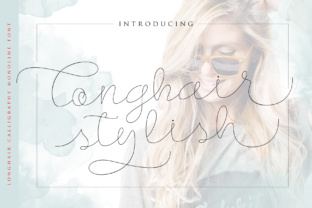
Longhair-Monoline Script Font is a versatile and stylish typeface that brings a touch of elegance and modernity to any design project. As a script handwritten font, it offers a unique blend of fluidity and clarity, making it ideal for editorial work where visual appeal meets readability.
Designed with the needs of content creators in mind, Longhair provides a refined aesthetic that can elevate everything from blog headers to magazine covers. Its smooth curves and consistent stroke weights make it a reliable choice for both digital and print formats.
Visual Characteristics and Editorial Appeal
Longhair features a monoline structure, meaning its strokes maintain uniform thickness throughout. This characteristic gives the font a clean, contemporary look while still retaining the organic feel of a handwritten script. The font’s subtle flourishes and balanced letterforms add a sense of sophistication without overwhelming the reader.
The personality of Longhair is both elegant and approachable. It works well in contexts that require a personal touch, such as lifestyle blogs, wedding guides, or creative newsletters. Its visual tone makes it suitable for a wide range of publications, from professional magazines to independent digital content.
Applications in Editorial Design
Longhair is particularly effective for headings, titles, and cover text. Its legibility at larger sizes ensures that it commands attention without sacrificing clarity. For example, a lifestyle blog might use Longhair for its main headlines, creating a cohesive and visually appealing layout that draws readers in.
In ebook publishing, Longhair can be used for chapter openers or title pages, adding a polished finish to the reading experience. When paired with a readable serif or sans serif font for body text, it creates a strong visual hierarchy that guides the reader through the content.
For printable materials like worksheets, planners, or lead magnets, Longhair adds a decorative yet functional element. Its versatility allows it to stand out as a highlight while maintaining a professional appearance.
Supporting Reader Engagement and Brand Identity
Using Longhair in editorial design helps establish a strong brand identity. Its consistent style across different applications reinforces a publication’s visual language, making it more recognizable and memorable to readers.
The font also supports reader engagement by enhancing the overall aesthetic of a piece. Whether it’s a quote graphic, a pull quote, or a section heading, Longhair adds a layer of visual interest that encourages readers to explore further.
For content creators, Longhair serves as a powerful tool for differentiation. In a crowded digital space, a well-chosen font can set a publication apart and create a lasting impression on the audience.
Best Uses for Longhair
While Longhair excels as a display font, it is best suited for shorter text elements rather than long blocks of body copy. Its intricate details may become less readable when used at smaller sizes or in extended paragraphs.
For instance, a recipe ebook could use Longhair for its title page and chapter headings, while a serif font handles the ingredient lists and instructions. Similarly, a wedding guide might feature Longhair in its cover and key sections, ensuring a cohesive and elegant presentation.
In a coaching workbook, Longhair can be used for motivational quotes or section headers, adding a personal and inspiring touch to the content. Its adaptability makes it a valuable addition to any designer’s toolkit.
Readability and Technical Considerations
When using Longhair in digital formats, it’s important to consider how it renders on different screens. At appropriate sizes, it remains clear and legible, making it suitable for web design, social media graphics, and email newsletters.
For print projects, Longhair maintains its quality and sharpness, ensuring that the final output looks as intended. When exporting to PDF or other formats, the font should be embedded to prevent any issues with rendering.
Designers should also check the font’s multilingual support if their content includes non-English text. Many premium fonts offer extensive character sets, making them suitable for international audiences.
Font Pairing and Design Assets
Pairing Longhair with other fonts can enhance its impact in editorial layouts. A common approach is to pair it with a serif font for body text, creating a classic and balanced look. Alternatively, a clean sans serif font can serve as a complementary element for captions, navigation, or secondary text.
For a more modern aesthetic, Longhair can be paired with a geometric sans serif, resulting in a dynamic and contemporary design. These combinations allow for flexibility in typography while maintaining visual harmony.
Designers should also explore the font’s alternate characters, ligatures, and stylistic sets to add variety and customization to their work. These features can help create a more unique and personalized design.
Commercial Licensing and Usage
Longhair is available under a commercial license, making it suitable for a wide range of projects. Content creators can use it in ebooks, templates, printables, paid newsletters, client publications, and digital downloads without worrying about licensing restrictions.
Before incorporating Longhair into a project, designers should review the licensing terms to ensure compliance. This includes understanding how the font can be used in different formats and whether it requires additional permissions for specific applications.
As a premium font, Longhair offers high-quality design assets that can enhance the visual appeal of any publication. Its combination of style and functionality makes it a valuable addition to any editorial designer’s collection.